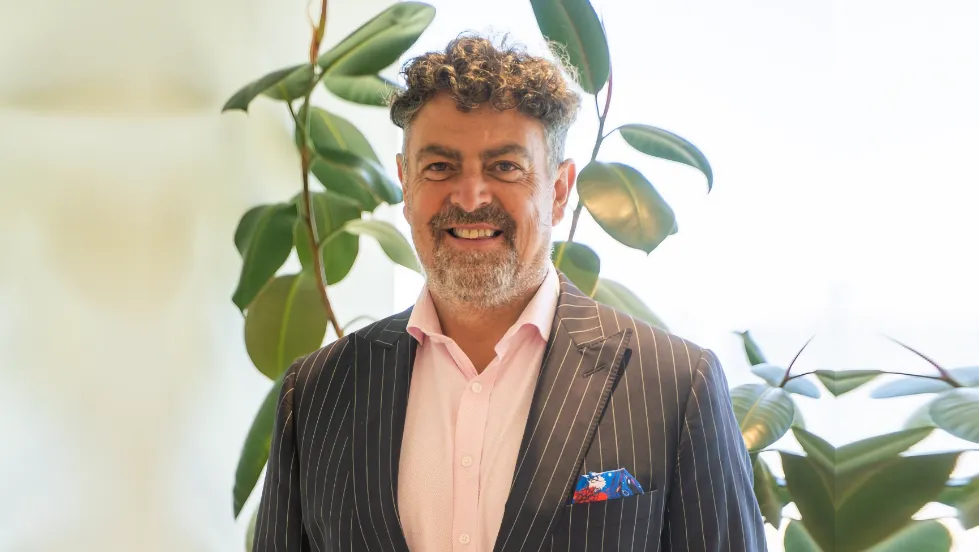
Few hospitality executives have shaped Dubai’s dining scene as profoundly as Naim Maadad. With more than three decades of experience across Australia, Asia and the Middle East, the Founder and CEO of Gates Hospitality has witnessed the transformation of food and beverage from a supporting element into a defining part of the guest experience. In this interview with T Hospitality, he shares his views on the evolving role of tea, the future of non-alcoholic beverages, and why suppliers looking to succeed in the GCC need to offer far more than quality tea.
T Hospitality. With your experience of more than three decades in hospitality across Australia, Asia and the Middle East, how have you seen the role of non-alcoholic beverages evolving within the overall guest experience? Do you think the industry gives enough attention to its beverage programmes?
Naim Maadad. The evolution of non-alcoholic beverages has varied significantly across regions, shaped by cultural beliefs, consumer habits and market maturity. In Australia and Asia, hospitality has traditionally placed greater emphasis on alcoholic beverages, while coffee and tea have often played supporting roles, whilst for the Middle East we have seen the reverse.
Today, we are seeing a shift towards more considered and elevated non-alcoholic experiences, from specialty coffees and premium teas to crafted mocktails and wellness-focused beverages. However, I still believe beverage programmes are not always given the attention they deserve. A well-designed beverage offering can be a powerful differentiator, enhancing the guest experience and creating memorable moments in the same way food does.
TH. What distinguishes Dubai’s beverage sector from other markets, particularly beyond coffee and traditional soft drinks? What are the most significant developments you are seeing today?
NM. Dubai’s beverage sector is unique because it mirrors the diversity of the city itself. Alcoholic beverages continue to play a significant role in hospitality, while coffee has always been a central part of Arabic hospitality and continues to experience tremendous growth over the past decade in particular, evolving into a sophisticated and experience-driven category.
Tea, however, has not seen the same level of momentum. While global trends such as bubble tea have grown significantly elsewhere, they have not gained the same traction locally. For me, the biggest opportunity today lies in creating beverage experiences that go beyond the product – focusing on storytelling, craftsmanship and creating social moments around the drink.
TH. Fine dining restaurants around the world are embracing tea pairing menus as an alternative or complement to wine pairings. How do you view this trend, and do you see it becoming more prevalent in Dubai and the wider GCC?
NM. Tea pairing is a fascinating development, but markets such as China and Japan will naturally lead this space due to their deep cultural connection, heritage and appreciation for tea.
In Dubai and the wider GCC, there is certainly potential, particularly within luxury hospitality, but it needs to be approached with authenticity. Success will come from creating experiences that educate, tell a story and connect with the local audience, rather than simply replicating concepts from other markets.
TH. Gates Hospitality is known for creating concepts with strong personalities and loyal followings. When assessing emerging food and beverage trends, how do you distinguish between a passing fad and a genuine shift in consumer behaviour? How do you anticipate what guests will want next?
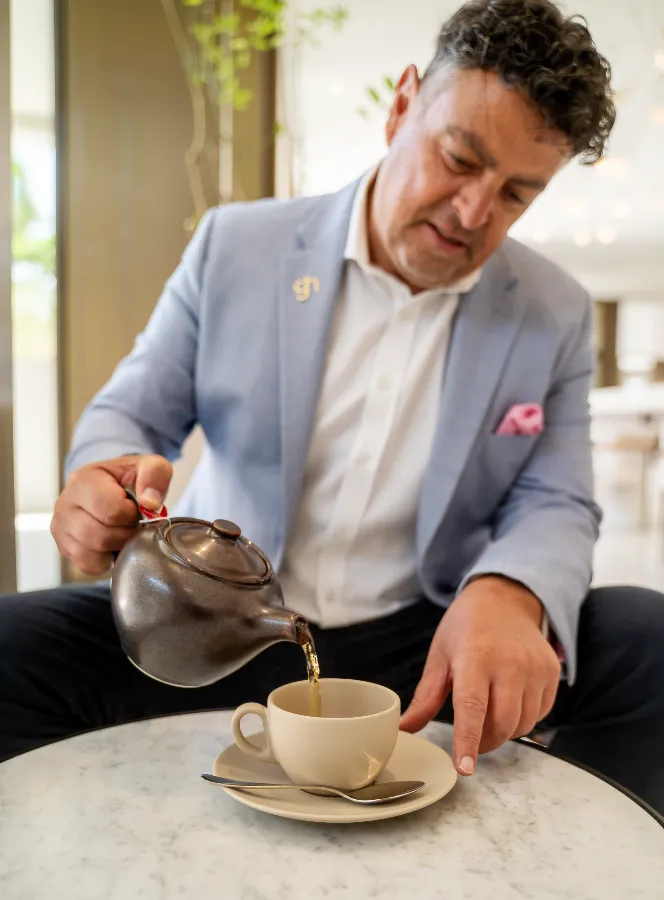
NM. Understanding trends starts with understanding the market and the people within it. Dubai is incredibly unique, with more than 200 nationalities, meaning there is rarely a universal approach to consumer behaviour.
Demographics, cultural influences and lifestyle all play a role in determining what will resonate. Data and research are important, but experience and instinct remain equally valuable. After decades in hospitality, you develop an understanding of what has long-term potential versus what is simply a temporary trend.
TH. What advice would you give entrepreneurs planning to launch new hospitality or beverage ventures in the UAE and wider region? Which markets do you believe are becoming saturated, and where do you still see opportunities?
NM. Starting a hospitality business is exciting, but there are many complexities beyond the initial idea. Entrepreneurs need to consider commercial viability, human capital, landlords, legislation, operational costs and competition.
My advice is to understand your business intimately – know your customer, your market and what makes your concept different. Equally important is recognising where you need support and surrounding yourself with talented people who can bring expertise in areas outside your own.
The region continues to offer significant opportunities, but success increasingly depends on differentiation, strong execution and a deep understanding of the consumer.
TH. The beverage sector, including tea, has seen a growing number of startups in recent years. In your view, what are the main factors behind their success or failure?
NM. The size of the market and the speed at which concepts can grow in this region are both a blessing and a challenge.
The opportunity is enormous, with consumers being open to new experiences, but the same environment also creates intense competition. Successful brands are those that have a clear identity, understand their audience and create an experience that encourages loyalty beyond the initial curiosity.
TH. Having worked extensively in both Australia and the UAE, how would you compare the tea cultures of the two markets?
NM. The tea cultures of Australia and the UAE are shaped by very different influences. Australia has benefited from a strong Asian demographic presence, which has helped create a diverse and evolving tea market.
In the UAE, tea remains culturally important across many communities, but the market faces challenges due to demographics, consumer behaviour and pricing considerations. The opportunity is to reposition tea as a contemporary lifestyle experience rather than simply a traditional beverage.
TH. If a tea supplier wanted to successfully enter the UAE and GCC hospitality market today, what would they need to bring beyond quality tea?
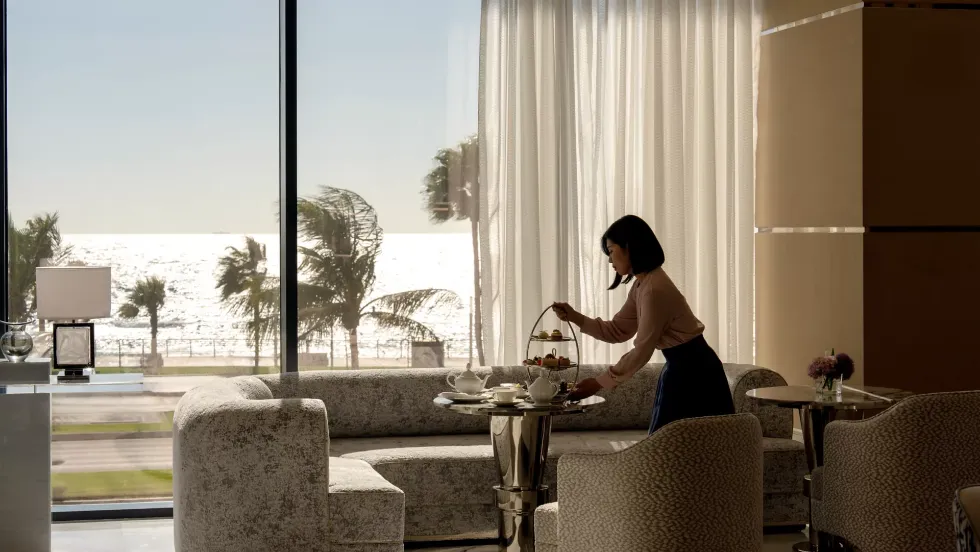
NM. Quality tea is only the starting point. To succeed in the UAE and GCC, suppliers need to think about the overall experience – creating a tea concept that is social, engaging and relevant to today’s consumer.
Reinventing the tea bar experience, building a strong storyline around the product and creating a reason for guests to gather and connect will be key to making tea more appealing in the region.
TH. On a personal note, what type of tea do you enjoy most? Any “tea experience” you would like to share?
NM. Having spent more than five years in Japan, I developed a great appreciation for the Japanese tea ceremony. The respect for craftsmanship, tradition and attention to detail is something I deeply admire.
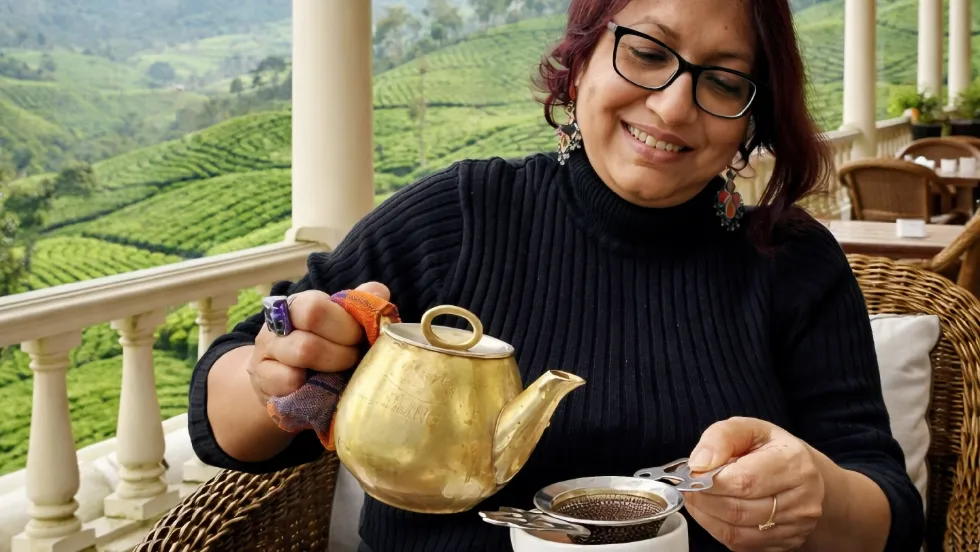
It highlights how tea can be much more than a beverage – it can be a cultural experience built around mindfulness, connection and appreciation.