From private banking in Switzerland to cultivating specialty tea in Thailand, the remarkable journey of PRANIT’s founder adds a new chapter to our exploration of the world of specialty tea and the people behind it.
T Hospitality. Let’s start with your background. What was your professional experience before PRANIT, and how did you first become interested in tea?
Jamie Leonard. Before PRANIT, I spent around 20 years working in finance and commodities in Geneva, Switzerland, including roles with Lloyds TSB Private Bank, Credit Suisse, ADM and LITASCO. I later founded Leonard Consulting and Green Leopard, an agritech company. I’d had tea in the house for years. I was mostly a coffee drinker at work, but I’d enjoyed gong fu tea service in town and kept oolongs, black teas and Japanese tea with toasted rice in the cupboard. When I began working for myself and spending more time at home, I started exploring tea more seriously. That really took off around 2019 and 2020, especially during the COVID lockdowns. Through Green Leopard, I was already working with craft growers and exploring cultivation projects. That brought me to Thailand to discuss the possibility of doing that work here. Tea was already an interest, and being here gave me the chance to explore it much more deeply.
What brought you to Thailand, and what made you decide to establish a tea business there? When did PRANIT begin, and what was your original vision for the company?
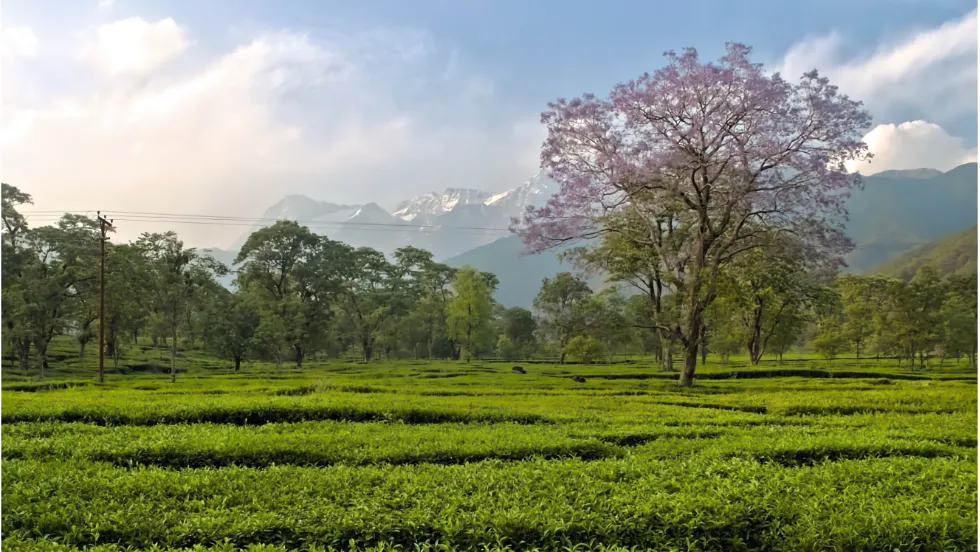
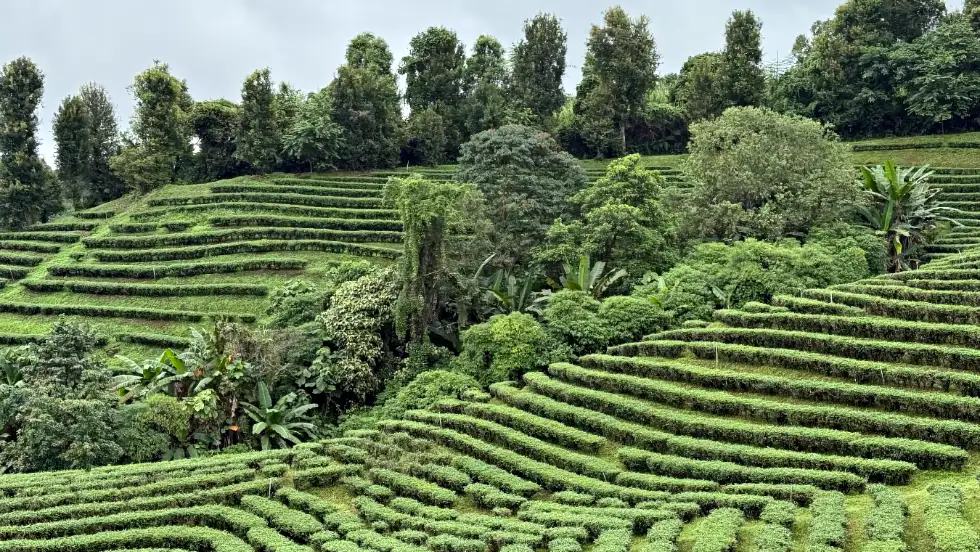
I’d been visiting Southeast Asia since the 2010s and had grown very fond of Thailand, its people and its culture. When I came over through Green Leopard, I considered a few different directions, including opening a tea house in Bangkok. Then I travelled north to see the tea-growing area and fell in love with it. I realised that with my background, I could focus on the retail side or get closer to the plants and production. I chose to work closer to the source, with the growers and tea makers.
PRANIT began in 2025, with the aim of helping bring Northern Thai tea to international markets while building strong relationships with the people who produce it. Over time, that work can create a fuller supply chain and perhaps support a physical retail space too. We’re currently looking at a location in Chiang Rai city, down from the mountain, and are aiming to move in at the beginning of December.
Thailand is not yet widely recognised internationally as a premium tea origin. What attracted you to Northern Thai tea, and what do you believe makes it different from teas produced in China, Taiwan or India?
What attracted me was that Northern Thailand has a tea story of its own, though many people outside the region don’t yet know it. The area’s tea culture was shaped by migration. People arrived with tea cultivars and knowledge of how to grow and make tea. Over time, those traditions took root here and developed in response to the landscape, climate and communities of Northern Thailand. In places such as Mae Salong, that history is especially visible. Tea became part of a wider change in the region, as communities moved away from opium cultivation and towards agriculture, including tea. Taiwanese cultivars and tea making knowledge also became part of that story. What interests me is how those influences have been adapted here: they’re part of the region’s history, but the tea being made today reflects Northern Thailand.
I don’t think we need to position Thai tea against China, Taiwan or India as if one origin has to win. Those places have long and important tea traditions, and they’ve influenced tea around the world. Northern Thailand has its own combination of cultivars, growing conditions, history and craft. The opportunity is to help people recognise that identity and taste it for themselves.
Many international consumers associate Thai tea with the sweet, milky orange beverage. How do you introduce them to the country’s specialty teas, and what usually surprises them most?
I start by showing them that “Thai tea” describes more than one style. Thailand has a growing range of specialty teas, including oolongs, black teas and white teas, made using different cultivars and processing methods. People are often surprised by how varied the flavours can be and by how much the cultivar and processing shape the cup. A Northern Thai oolong can be floral, creamy or gently roasted; a black tea can be rich and structured without needing milk or sugar. Tasting a few teas side by side is usually the best introduction, because it lets people experience the range rather than relying on a description.
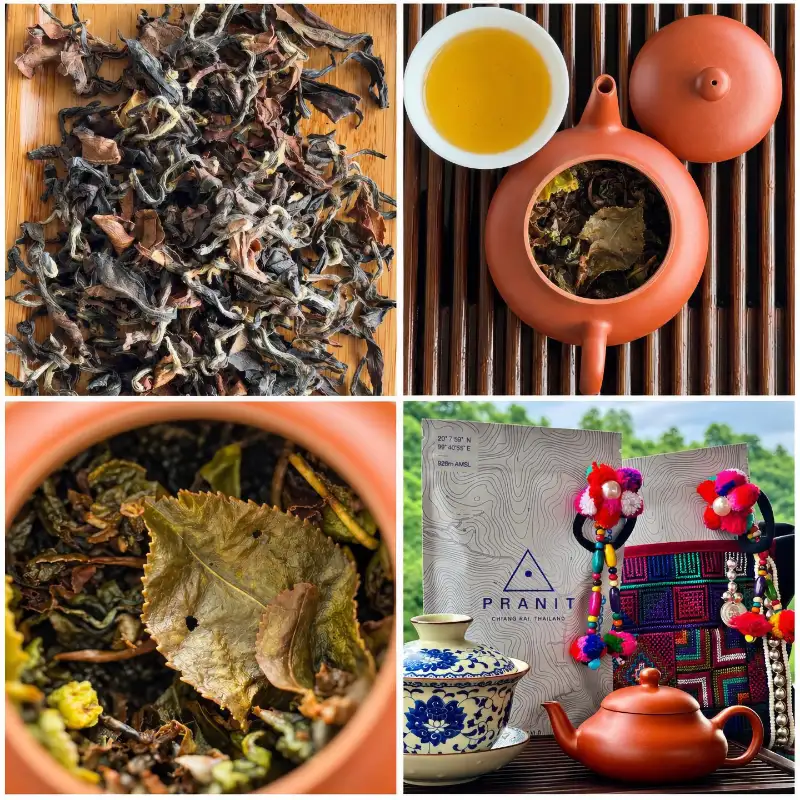
PRANIT works with independent tea growers and is also developing its own farm in Chiang Rai. How do these two activities complement each other, and what role do you expect your own production to play in the future?
Working with independent growers and tea makers lets us share their experience and bring their teas to new customers. Being based here means we can spend time with them, stay close to the factories and follow what they’re making. We’re not only buying finished tea from a distance; we can learn about the choices and craft behind it. Our farm gives us the chance to learn through our own production: to work with Assamica and oolong cultivars, see how they grow in our conditions and develop our understanding of cultivation and processing. Over time, we expect it to become both a source of tea and a place to experiment. For me, those two activities belong together. We can develop our own knowledge while remaining part of the wider tea community here. Our farm isn’t a replacement for the growers and makers we work with; it gives us another way to learn and contribute.
What are your main criteria when selecting teas for PRANIT? Which cultivars, processing methods and tea varieties are you particularly interested in, and what makes a tea worth including in your collection?
The tea has to be good in the cup, but we also look carefully at how it is grown, selected and processed. We want to understand the cultivar, harvest, plot and production method, and to work with growers and factories that take those details seriously. We’re close to the factories and talk with the tea makers about what they’re producing and experimenting with. They often have deep experience in particular styles, and it’s exciting to see what they can do with the leaf available to them. We recently tasted an Oolong No. 17 with a strikingly green, sencha-like profile. That’s a good example of how Northern Thai production can produce something unexpected while still having its own character.
The factory relationship is important for practical reasons too. Some factories need a certain volume of leaf to process a batch well, which can be difficult for an individual smallholder. When growers bring their leaf together, that can create an opportunity for smaller producers to take part and reach new markets. We also look for good practices, including testing leaf before processing and being selective about the farmers and plots they work with. That matters because producers and buyers may be geared towards different markets, each with its own expectations around testing, documentation and consistency. We want to help introduce these teas to new buyers and support the work that makes trading with those markets easier. We’re interested in Assamica and Taiwanese cultivars such as TTES No. 12 and No. 17, as well as black teas, traditional and red oolongs, Four Seasons oolong, Oriental Beauty, selected GABA teas and white tea. A tea earns its place when it has a distinctive character, is made with care and can be presented honestly and consistently.
Where are your main markets today? Do you sell primarily to individual tea enthusiasts, retailers or professional buyers? How have international customers responded to Northern Thai tea?
We sell to both individual tea drinkers and professional buyers. Our current international relationships include Switzerland and Germany, alongside customers and partners in Thailand. We’re also moving conversations forward in the Nordic markets and developing opportunities with specialist retailers and other buyers. The response has been encouraging. People who are curious about origin and production are often interested to find a tea region they haven’t explored before. Once they taste the teas, the conversation tends to move from “I didn’t know Thailand made this kind of tea” to questions about cultivars, processing and the people behind it. We’re at an important stage of developing those markets. We’re keen to hear from retailers, importers and other professional buyers who would like to explore what Northern Thai tea could offer their customers.
Turning to hospitality, what experience has PRANIT had working with hotels, restaurants, cafés or other foodservice operators? What do you think Northern Thai teas can contribute to their beverage menus?
We’re already working with cafés and tea houses, and we’re keen to build relationships with more hospitality businesses. One opportunity I see is Thai Black Assamica. I’m working with a factory that can offer very good value for the quality, and I think this tea could work well on menus at competitive prices. It has a character of its own. I find it bolder and sweeter than the Assamica teas I’ve tasted from India, with more fruit and a candy-like sweetness. There are two useful styles for hospitality: rolled leaf is practical and economical to transport, while open leaf makes a striking presentation when the tea is served. That gives a café or tea house a choice depending on how it wants to serve and present the tea.
The oolongs offer another range of profiles to explore. If a customer likes floral teas, there are options to suit; if they prefer a creamier cup, there are different choices for that too. We’re also interested in cold brews, particularly in a climate where refreshing drinks have real appeal. Northern Thai teas and local botanicals could give hospitality teams room to create distinctive seasonal drinks. If you’re a hotel, café, restaurant or tea house interested in exploring Northern Thai tea for your menu, please get in touch. We’re keen to develop new relationships and find the right teas and formats for each setting. As PRANIT opens up new markets, this is a good time to start a conversation with us.

From your experience, what are the main challenges in convincing hospitality professionals to introduce teas from a relatively unfamiliar origin? Are there particular Thai teas that you would recommend for hotels or specialty cafés?
The main challenge is familiarity. When people think of tea, China and India often come to mind first, while Thailand is more likely to be associated with sweet, milky tea. So we have to help buyers understand that Northern Thailand has a real tea history and an identity of its own. This isn’t a random project or a new trend: tea cultivars and knowledge came here
through migration and have evolved in the region over time. There are also practical questions. Hospitality buyers need to know that a tea can be supplied consistently, that its profile will work for their customers and that the information behind it is clear. Building confidence means talking about both the cup and how the tea is produced. For a menu, Black Assamica is an easy place to start, while the oolongs offer different profiles and a chance to introduce guests to the range of Northern Thai tea. The key is to give hospitality teams teas they can serve confidently and explain clearly. We’re happy to speak with operators about what might suit their menu, service style and customers.
Looking ahead to the next two years, what are your priorities for PRANIT? Are you planning to expand your production, develop new teas, enter additional international markets or strengthen your presence in hospitality?
Over the next two years, we’ll continue establishing our farm and preparing for its first production, including our first harvests of Oolong No. 12 and Assamica. The fruit side of the farm should also begin producing. We’re very glad we chose to establish the farm, because it gives us a chance to grow and learn through our own production while staying close to the wider tea community here. At the same time, we’re developing a tea house space in Chiang Rai city. Given the climate, we imagine it as an outdoor, semi-sheltered place where people can sit comfortably and discover Thai teas. We’d like to offer gong fu tea service, so guests can experience the teas through a more focused tasting. We also want to develop a distinctive cold brew menu that makes good use of Northern Thai teas and local botanicals. We’re developing new products as well. One is Earl Mae, which we’re working on as a way to bring Thai tea culture and local ingredients into a product of our own. We’re also learning to make tea cakes and plan to experiment with some of our material, including black tea and black oolong. We’d like to keep selected batches and see how they mature over time, and what kinds of collectible teas emerge from that process.
We’ll continue developing international markets, including the Nordic region, and would like to deepen our work with cafés, tea houses and other hospitality partners. The farm, the tea house and our work with producers are all part of the same effort to help more people discover Northern Thai tea. We’d love people to stay in touch with PRANIT as these projects develop and to join us as the brand grows.
Finally, for someone who has never tasted a specialty tea from Northern Thailand, why should they try one, and which tea from your collection would you recommend as a starting point?
I’d suggest starting with the oolongs, because they offer a familiar way to explore how different teas express themselves in the cup. If you like floral notes, try Oolong No. 17; if you prefer a creamier character, try Oolong No. 12. Four Seasons oolong offers another profile to explore. You can choose based on what you enjoy in your everyday tea. I’d also recommend trying a Thai Black Assamica, whether open leaf or closed leaf. The closed-leaf style is unusual in many markets, and both are approachable, polished black teas. They’re a good way to experience Northern Thailand’s character in the cup, and may encourage you to explore some