There is a moment during a visit to Hi Tea Malaysia when you realise that nobody is in a hurry.
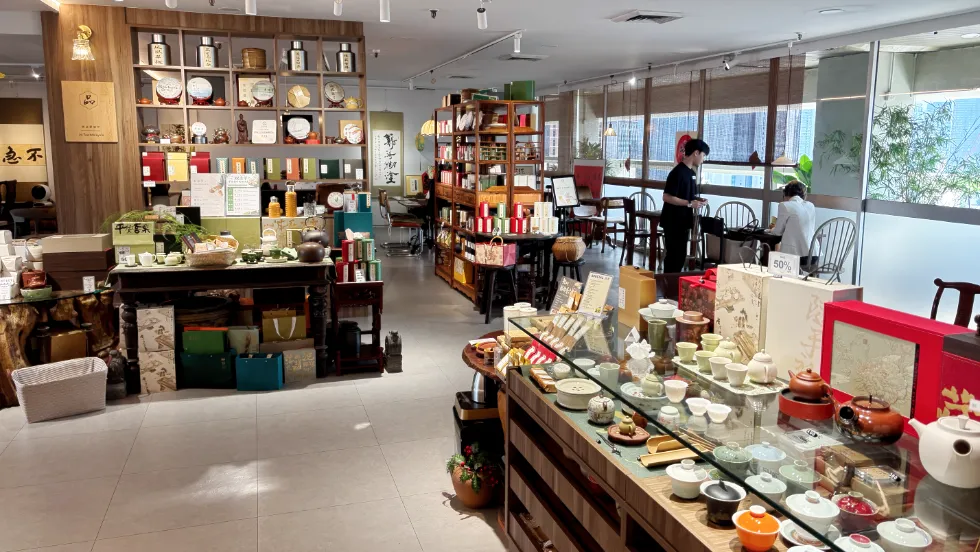
Located above the activity of Kuala Lumpur’s Chinatown, the tea house feels surprisingly detached from the pace of the city below. The first thing visitors notice is not the tea collection, although it is considerable. It is the atmosphere of attention. Every object appears to have been placed for a reason, every tea selected because somebody believed its story deserved to be told.
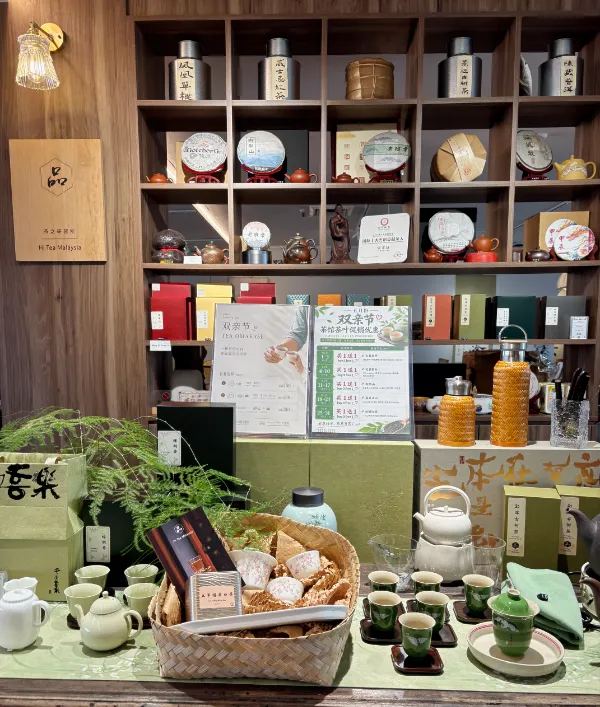
The founders are second-generation tea merchants whose family has worked in tea for decades. The harvesting, roasting, and packaging of many of their teas remain closely tied to legacy operations in the Chinese province of Yunnan, where traditional methods continue to shape the final product.
Listening to Ms. Xinyi speak about tea, one quickly realizes that she is not interested in selling products but in teaching appreciation.
“The knowledge of a tea plantation, its history, its aromas, and its flavours teach us something about life itself,” she explains.
The attention to provenance runs through every aspect of the business. Every corner of the space reflects a different layer of Malaysian identity. Chinese influences sit comfortably alongside Malay, Indian, Muslim, Hindu, and Buddhist elements. Nothing feels forced; instead, the tea house mirrors the cultural mosaic that makes Malaysia unique. The result is a space where everybody feels at home.
Then comes the tea.
We were served an eight-year-old Pu Her, Jun Mei from Fujian. Before the first infusion touched the cup, our host explained its origin, its processing, and the flavours we should expect to encounter. Each subsequent infusion revealed something different. Hours later, we could still remember the sensation…not only flavour, but the entire experience.
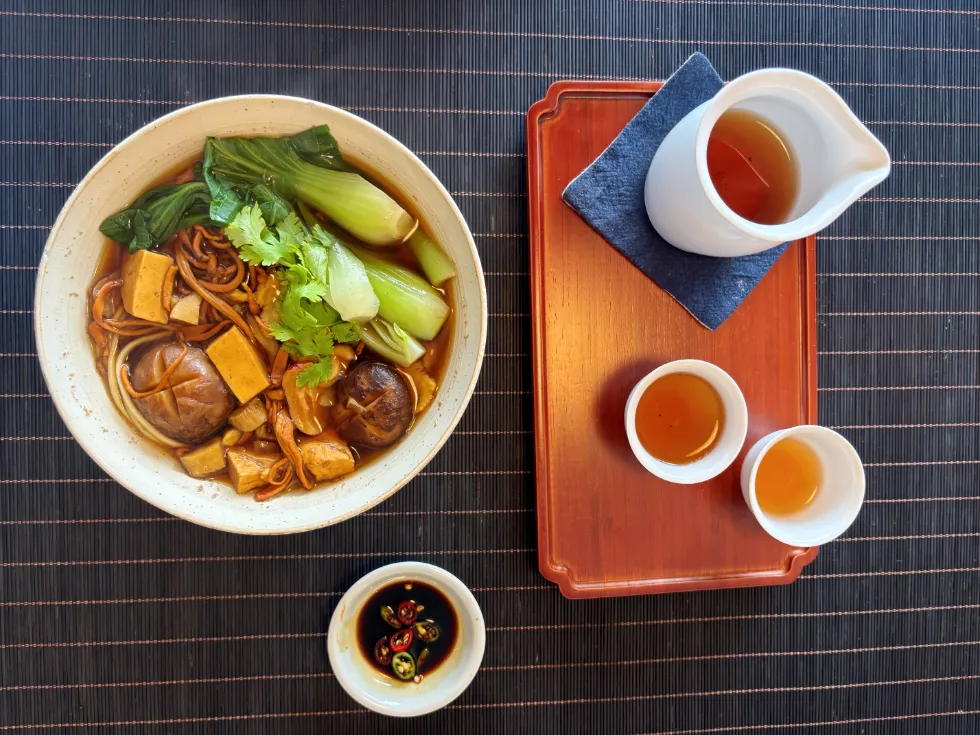
Perhaps nowhere is Hi Tea Malaysia’s creativity more evident than in its Tea Omakase experience. Ms. Xinyi is one of the few in the world to apply the philosophy of Omakase to the tea instead of a “normal”ingredient. For special occasions and high end corporate events, she would choose a tea according to the season and then build an entire culinary journey around it. If the tea comes from a mountain environment, ingredients from similar ecosystems inspire the menu. If it grows in a valley, the dishes reflect the landscape from which it originates. Tea becomes more than a beverage pairing; it becomes the central ingredient around which every course is imagined.
During our visit, we had a noodle soup cooked with tea. Unexpected, elegant and memorable, it is the kind of dish that makes guests pause before taking the next bite.
Beyond the tea and gastronomy lies another treasure: a private collection of antique Chinese teapots built over generations. Some pieces are more than two hundred years old. Others have passed through prestigious auctions, where exceptional pieces can command six-figure prices.
Ms. Xinyi’s first teapot, acquired years ago, dates back to 1920 and bears a dragon motif. Like many objects in the tea house, it is valued not only for its craftsmanship, but for the story it carries.
And perhaps that is what makes Hi Tea Malaysia so special.