An Interview with Turki AlQurashi, Founder & Vice Chairman of the Restaurant & Cafe Owners Association of the Kingdom of Saudi Arabia.
Saudi Arabia’s hospitality industry is expanding at a pace few markets can match. New hotels, restaurants and tourism projects are reshaping the country’s landscape as Vision 2030 accelerates investment and opens the Kingdom to international visitors. Alongside this transformation, there is a growing effort to present Saudi hospitality through experiences that are distinctly local rather than imported.
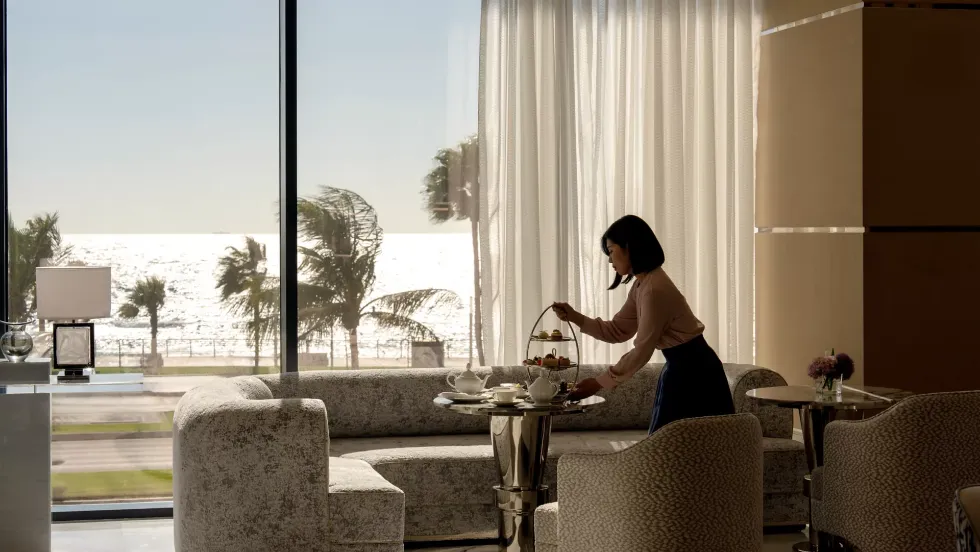
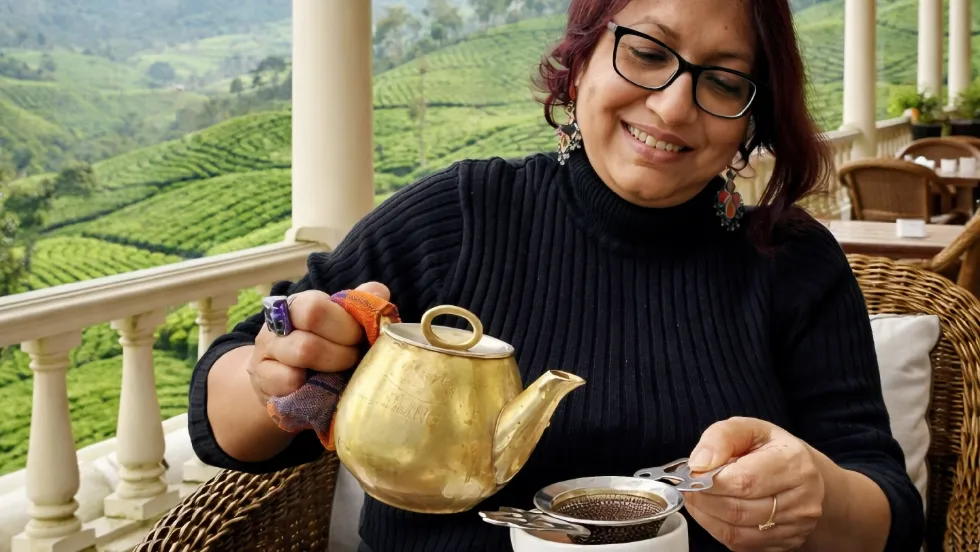
Coffee has become the international symbol of Saudi hospitality, but tea has never lost its place in daily life. Across the Kingdom, it is served in homes, majlis, workplaces and social gatherings, with regional traditions giving each area its own way of preparing and sharing it. As hospitality businesses seek to create more authentic guest experiences, tea is increasingly moving beyond tradition to become part of premium cafés, luxury hotels and destination-led tourism.
This evolution is taking place alongside the rapid development of Saudi Arabia’s restaurant and café sector, one of the fastest-growing segments of the national economy. At the centre of this ecosystem is the Restaurant & Cafe Owners Association (RCOA), a national non-profit organisation that represents the interests of restaurant and café operators while working with government institutions and private-sector partners to strengthen the industry. Its initiatives support the objectives of Vision 2030 by encouraging collaboration, promoting investment and helping build a more competitive hospitality sector.
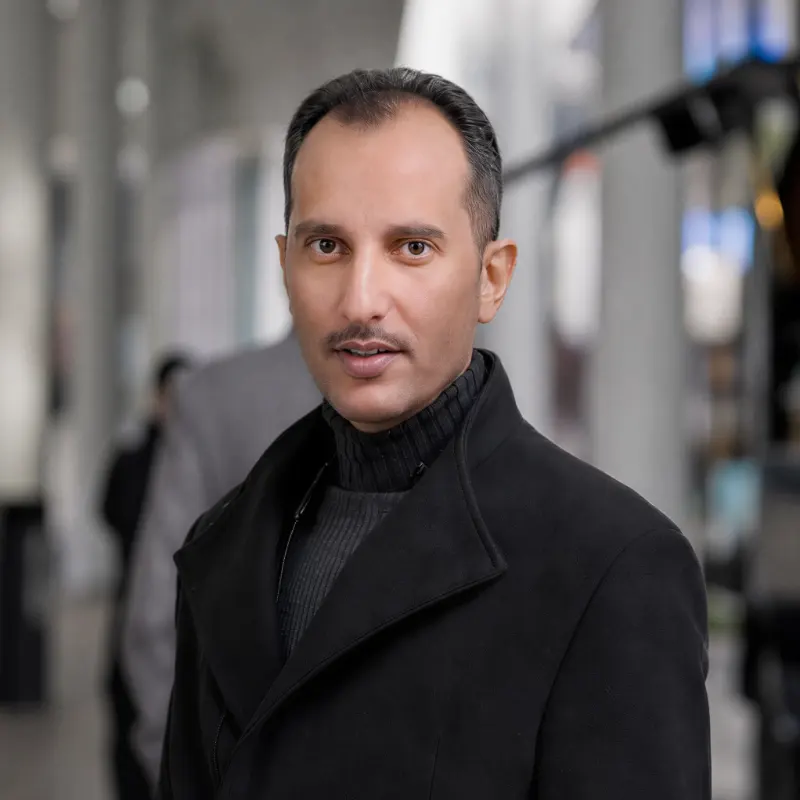
Leading this effort is c, Founder and Vice Chairman of the Association. With more than twenty years of experience in brand strategy, organisational development and hospitality, he has worked with organisations to strengthen leadership, build institutional value and translate long-term vision into sustainable growth.
In this interview with T Hospitality, AlQurashi reflects on tea’s enduring role in Saudi culture, the opportunities it presents for the hospitality industry, and how one of the Kingdom’s oldest traditions continues to shape the guest experience in one of the world’s newest tourism destinations.
THospitality: Coffee dominates the conversation about Saudi hospitality, yet tea remains part of everyday life for millions of Saudis. How important is tea to the Kingdom’s foodservice sector today, and do you believe its commercial potential is fully recognised?
Turki AlQurashi: Saudi hospitality has never been defined by what we serve. It has always been defined by how people feel when they are welcomed. Coffee and tea are both authentic expressions of that culture, not competitors within it. While Saudi coffee has deservedly become an international symbol of the Kingdom’s heritage, tea has remained a constant presence in everyday life. It accompanies family gatherings, business meetings, social occasions and moments of reflection, making it one of the most familiar and enduring rituals of Saudi hospitality.
As our hospitality industry evolves, I believe tea is entering a new phase. It is no longer simply a beverage offered on a menu; it has the potential to become a curated hospitality experience that reflects culture, craftsmanship and storytelling. The commercial opportunity is significant. Consumers today are looking for experiences with meaning rather than products alone, and tea naturally lends itself to that expectation through its diversity, heritage and ability to create moments of genuine connection.
Ultimately, I believe tea will continue to grow because the future of hospitality is not defined by what we serve, but by how people remember the experience we create.
Saudi Arabia has a rich diversity of tea traditions, from the north to the Hijaz and the southern regions. To what extent do regional tastes influence what hospitality operators serve today?
Regional diversity is one of Saudi Arabia’s greatest cultural strengths, and tea reflects this beautifully. Every region has developed its own traditions, preferred flavours and rituals of hospitality, shaped by geography, history and local communities.
As domestic tourism and international visitation continue to grow, these regional identities are becoming increasingly valuable. Hospitality operators have an opportunity to celebrate local traditions by incorporating regional tea customs into their guest experiences rather than relying solely on standardised offerings.
Authenticity has become one of hospitality’s most valuable assets. Visitors are not travelling to experience something they can find anywhere else—they are looking for experiences that genuinely represent the destination. Saudi tea traditions offer exactly that opportunity.
Younger Saudis are driving much of the Kingdom’s hospitality transformation. How is their relationship with tea evolving? Are they rediscovering traditional tea culture or looking for entirely new tea experiences?
I believe younger Saudis are doing something particularly interesting—they are embracing innovation without abandoning identity. They are curious about specialty beverages, premium concepts and contemporary hospitality experiences, yet they also value products and traditions that reflect their cultural roots. Rather than replacing traditional tea culture, they are redefining how it is presented and enjoyed. This creates exciting opportunities for entrepreneurs. Tea can be reimagined through modern café concepts, creative pairings, refined presentation and immersive experiences while remaining deeply connected to Saudi culture.
The strongest hospitality concepts will be those that successfully bridge heritage and innovation, allowing guests to experience both at the same time.
Restaurant & Cafe Owners Association plays an important role in supporting entrepreneurs across the restaurant and café sector. How do you help new concepts develop, and have you seen growing interest from entrepreneurs looking to build businesses centred on tea.
At the Restaurant & Cafe Owners Association, we believe that sustainable hospitality businesses are not built simply by opening more locations. They are built by creating stronger brands, stronger business models and stronger leadership. That philosophy shapes everything we do.
Our role is to empower entrepreneurs by connecting them with knowledge, strategic partnerships, industry expertise and an ecosystem that enables long-term growth rather than short-term expansion. We work to strengthen collaboration across the hospitality sector because a stronger ecosystem creates greater opportunities for every business within it. At the Restaurant & Cafe Owners Association, we believe the future belongs to entrepreneurs who understand that hospitality is no longer about serving products—it is about creating reasons for people to return.
If you were advising an international tea brand looking to enter the Saudi market today, what would you tell them? Beyond product quality, what would they need to succeed?
My first advice would be to approach Saudi Arabia with curiosity before confidence. This is one of the world’s fastest-growing hospitality markets, but it is also one of the most sophisticated. Saudi consumers are well-informed, internationally exposed and increasingly selective. They appreciate quality, but they also expect authenticity, consistency and genuine respect for local culture.
Throughout my career, I have learned that products may attract attention, but brands create lasting value. That is why I often say that branding creates value, while marketing creates acceptance. Sustainable hospitality businesses require both. International brands should therefore resist the temptation to replicate a successful global formula without adaptation. Instead, they should invest time in understanding how hospitality is experienced in Saudi Arabia—how relationships are built, how guests interact with brands and what creates emotional connection beyond the product itself.
Those who view Saudi Arabia as a long-term strategic market rather than simply a commercial opportunity will be the ones most likely to build enduring success.
Looking ahead five years, how do you see tea evolving within Saudi hospitality? Which consumer trends do you believe will have the greatest impact on the category?
Over the next five years, I believe tea will become more sophisticated, more experience-led and more closely connected to Saudi Arabia’s evolving hospitality identity. Several consumer trends will accelerate this transformation. The first is the growing demand for premium experiences rather than premium products alone. The second is increasing interest in wellness and mindful consumption. The third is the desire for authenticity, where consumers seek stories, heritage and local identity behind what they consume. Tea sits naturally at the intersection of all three trends.
I also expect technology and data to reshape how hospitality businesses personalise their offerings, making tea experiences more curated and relevant to individual guest preferences. Combined with Saudi Arabia’s rapid tourism growth, these trends create significant opportunities for innovative concepts that blend tradition with contemporary hospitality. The category’s future will be defined by businesses that understand people as well as they understand products.
Saudi Vision 2030 is reshaping the Kingdom’s hospitality industry. Do you believe tea has a role to play in creating distinctive Saudi hospitality experiences for international visitors, and if so, how?
Absolutely. In fact, I believe tea can become one of the quiet ambassadors of Saudi hospitality. Vision 2030 is encouraging the Kingdom to showcase its culture with confidence while welcoming the world with openness. Visitors are no longer looking only for landmarks—they are looking for authentic experiences that help them understand the identity of a destination.
Tea provides exactly that opportunity. It represents generosity, conversation and the simple rituals of welcoming others that have always been part of Saudi culture. When thoughtfully presented alongside local cuisine, architecture, storytelling and service, tea becomes much more than a beverage—it becomes part of a memorable cultural experience.
The future of Saudi hospitality will not be defined by how closely it resembles other destinations, but by how confidently it expresses its own identity. Tea has an important role to play in telling that story.
Finally, on a personal note, what role does tea play in your own daily life? Do you have a favourite tea or a memorable tea experience that has stayed with you?
Tea has always represented something much greater than a beverage. Throughout my professional journey, many of the most meaningful conversations—with entrepreneurs, business leaders, government officials and close friends—have taken place over a simple cup of tea. Some of the most important ideas, partnerships and lasting relationships began in those informal moments, which is why tea has become closely associated with conversation, trust and human connection for me. At the same time, I genuinely appreciate the richness and diversity of tea itself. There are exceptional varieties and distinctive flavours that, in my view, are worth discovering and even travelling for. Certain teas have the remarkable ability to bring back memories of a particular place, a meaningful conversation or a defining moment in time.
For me, that is the unique beauty of tea. It offers both a memorable product and a memorable experience. While a particular flavour may reconnect us with a moment, it is ultimately the people, the conversations and the emotions surrounding that moment that leave the most lasting impression. Perhaps this is why I believe hospitality is ultimately a business of human relationships, where food and beverages simply become the language through which those relationships begin. People rarely remember every detail of what they were served, but they always remember how a place made them feel. That, in my view, is where true hospitality begins.
As Saudi Arabia continues its remarkable hospitality transformation, our greatest opportunity is not simply to build more destinations or introduce new concepts. It is to create experiences that reflect who we are as a nation.
Tea has been part of Saudi life for generations, quietly accompanying our conversations, celebrations and everyday moments. As the Kingdom welcomes more visitors from around the world, it offers us an opportunity to share those traditions in ways that are authentic, contemporary and memorable. Hospitality is ultimately a human experience. While products evolve and trends change, people will always remember how they were welcomed, how they were treated and how they felt. The future of Saudi hospitality will not be measured solely by the destinations we build, but by the experiences people remember and the connections they take home with them. If we remain true to those values, Saudi hospitality will continue to set new global benchmarks—not only for excellence, but for authenticity.
The future of Saudi hospitality will be shaped as much by culture as by investment. Tea has long been part of the Kingdom’s everyday life, reflecting generosity, hospitality and human connection. As Saudi Arabia welcomes a growing number of international visitors, authentic traditions such as these have the power to create experiences that remain with guests long after they return home.