The global matcha boom has created a new generation of entrepreneurs. Some are selling products. Others are building brands. Kenji Shimizu is doing something different: he is helping consumers understand what lies behind the green powder that has become one of the world’s most sought-after ingredients.
For Shimizu, matcha’s success is part of a wider fascination with Japanese culture.
“In recent years, Japanese food, anime, and design have all found passionate audiences around the world. Matcha is part of that same wave,” he explains. “People overseas are often captivated by qualities that Japanese people take for granted — the attention to detail, the quiet refinement, and the depth of meaning behind everyday things.”
That perspective shapes his business approach. While currently focused on the UK market and exploring opportunities elsewhere, Shimizu sees himself not simply as a supplier, but as a bridge between Japanese producers and international consumers.
Quality Starts with People
As demand for premium matcha accelerates worldwide, maintaining supply, quality, and pricing has become increasingly complex. Yet Shimizu believes the real challenge is preserving authenticity.
Rather than selecting products solely on technical specifications, he looks for producers with a deep commitment to craftsmanship, quality, and long-term sustainability. Origin, cultivar, flavour profile, and production methods all matter, but so do the people behind them.
“Building long-term relationships with those who genuinely share a commitment to quality is something I value greatly,”he says.
The Education Gap
Ironically, matcha’s popularity has also created confusion.
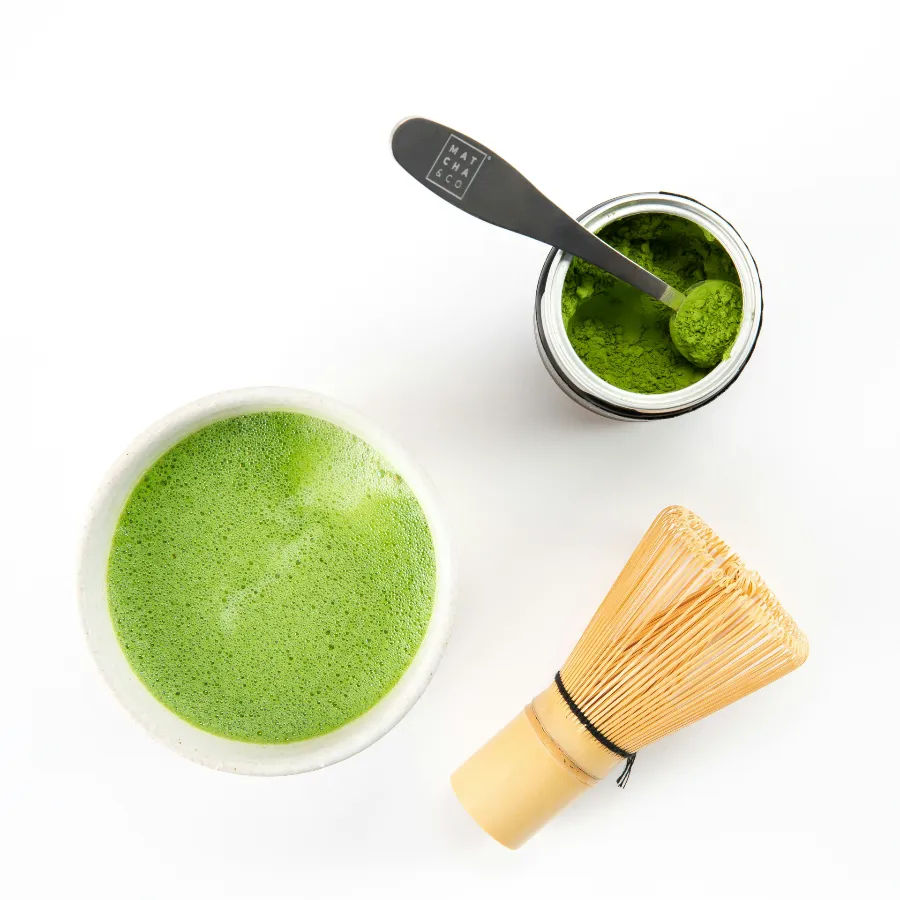
“The most common misconception is that any green powder is matcha,” says Shimizu.
Authentic matcha requires shaded cultivation, tencha processing, and traditional stone grinding — a process that few consumers fully understand. As demand grows, he believes education has become as important as distribution.
The risk is not only misinformation. Global demand is placing increasing pressure on supply chains, creating shortages of genuinely high-quality matcha and opening the door to lower-grade alternatives.
“The key going forward will be maintaining quality standards while building sustainable production and supply structures that can meet global needs responsibly,” he notes.
Looking Beyond Matcha
Although matcha remains the category’s driving force, Shimizu sees broader opportunities for Japanese tea.
Hojicha is already gaining momentum internationally, particularly in cafés and hospitality venues. He also believes Japanese single-cultivar teas have the potential to follow the path of specialty coffee, where consumers appreciate not only flavour but also origin, producer, and craftsmanship.
This growing interest in provenance is increasingly visible across hospitality. Hotels, cafés, and restaurants are no longer looking only for a quality product; they are looking for stories that enrich the guest experience.
For Shimizu, that shift is encouraging. It suggests that the future of tea will be built not on trends, but on deeper appreciation.
His ambition is simple: to help consumers discover not only what Japanese tea tastes like, but why it matters.
As he puts it:
“Matcha is no longer just a popular ingredient — it is evolving into an experience that carries Japanese culture to the world.”