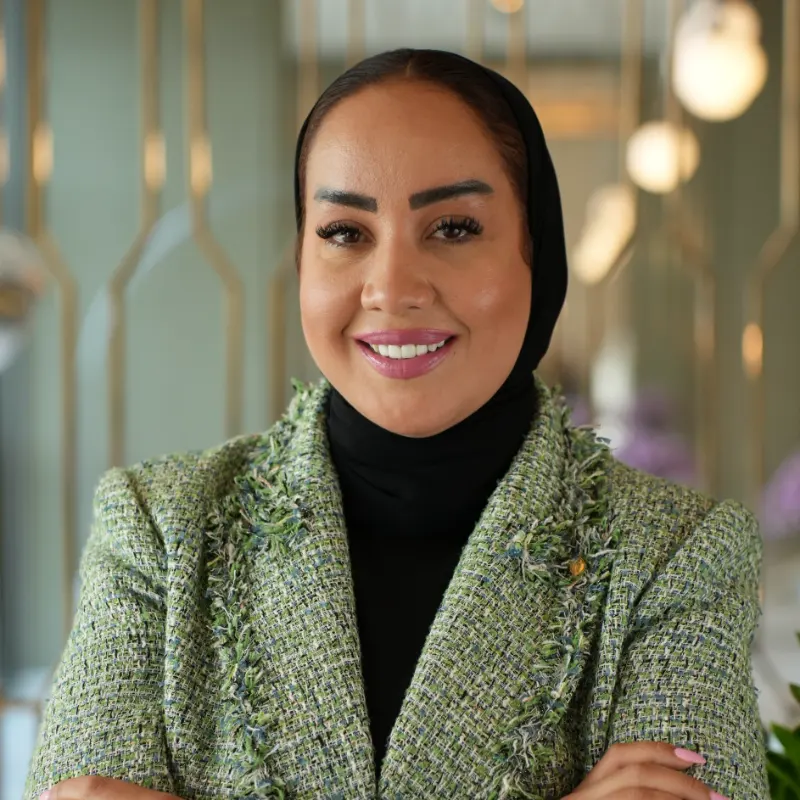
Over almost two decades at InterContinental Abu Dhabi, Lamia Bahhar has built an impressive career distinguished by her attention to detail and the warm, natural manner with which she engages guests and colleagues. These qualities have made her a natural hotelier and have accompanied her progression to her current position as Hotel Manager at InterContinental Residences Abu Dhabi.
In this interview with T Hospitality, Bahhar explains how tea has become one of the ingredients that shapes a guest’s stay. Particularly within a residential hotel, where many guests remain for extended periods, tea contributes to the familiarity, comfort and personal attention that gradually turn a residence into a home.
You have spent many years creating memorable guest experiences in luxury hospitality. Where does tea fit within the overall guest journey at InterContinental Residences Abu Dhabi?
Tea is one of those small yet meaningful rituals that can define how a guest feels during their stay. At InterContinental Residences Abu Dhabi, where guests often stay for longer periods, we believe comfort is found in the details. A thoughtfully selected tea enjoyed in the privacy of a residence, over breakfast, or during an afternoon meeting creates moments of pause and familiarity. It becomes part of the sense of home that we strive to create while maintaining the standards of luxury hospitality.
Have your own preferences and experiences with tea influenced any aspect of the tea offering at InterContinental Residences Abu Dhabi?
I have always appreciated tea as more than a beverage—it is a moment to slow down and reconnect. While our tea programme is designed around the preferences of our guests, I do believe hospitality should offer choice, quality and authenticity. Those principles guide our approach, ensuring guests can enjoy both familiar favourites and premium blends that complement different moments throughout the day.
Guests today have access to excellent tea at cafés, restaurants and even at home. What makes the tea experience at InterContinental Residences Abu Dhabi unique?
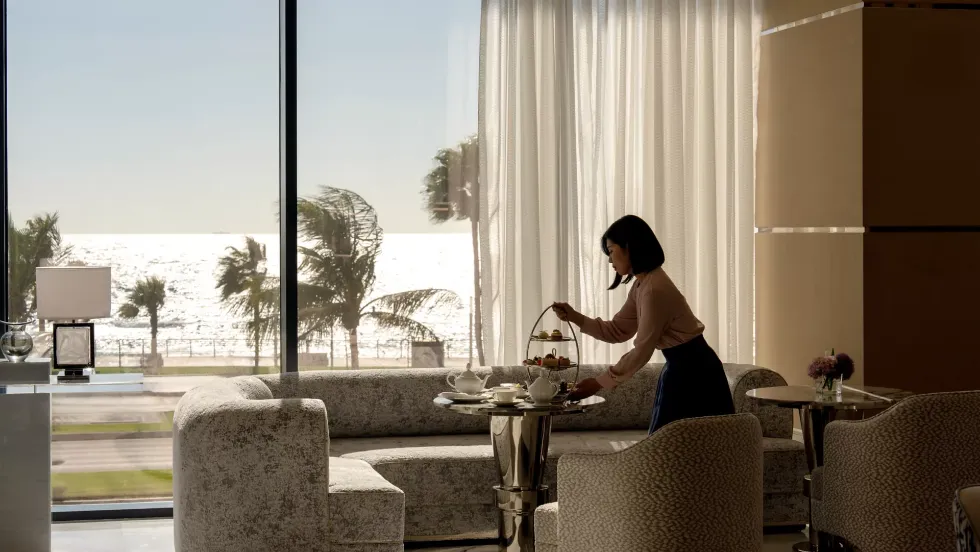
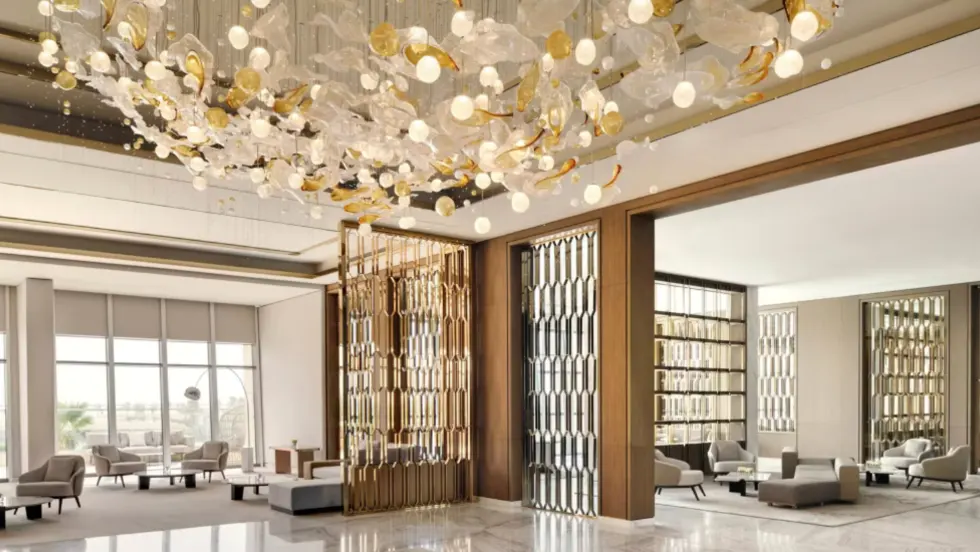
For us, it is about context rather than simply the tea itself. Guests enjoy tea in beautifully designed spaces overlooking the waterfront, within the comfort of their own residence, or alongside thoughtfully prepared cuisine. Combined with genuine service and the relaxed pace of residential living, it becomes a more personal experience than simply ordering a cup of tea.
When you think of a distinctive tea experience, what elements matter most: the quality of the tea, the service, the setting, the storytelling, or something else entirely?
All of those elements contribute, but if I had to choose, I would say it is the combination of quality of tea and the setting which also includes the service. An exceptional tea served without warmth loses its impact, while excellent service can elevate even the simplest ritual. The setting and storytelling complete the experience by creating a memorable sense of place.
Is there a difference between the tea selection you offer in guest rooms and the teas served in lounges and dining venues?
Yes. The in-room selection is designed around comfort and everyday enjoyment. Within our dining venues and lounges, we have greater flexibility to introduce more premium or speciality teas that complement the culinary experience and allow guests to discover something new.
InterContinental Residences welcomes guests from many different nationalities. Have you observed distinct tea preferences among different markets? Which tea varieties are currently the most popular among your guests?
Absolutely. Tea preferences often reflect cultural traditions. Our guests from the Middle East tend to enjoy black teas and herbal infusions, while many of our European guests gravitate towards English Breakfast, Earl Grey and green teas. We are also seeing growing interest across all markets in wellness-focused herbal blends, chamomile, peppermint and teas with natural functional ingredients that support relaxation and wellbeing.
How important is education and storytelling when serving tea?
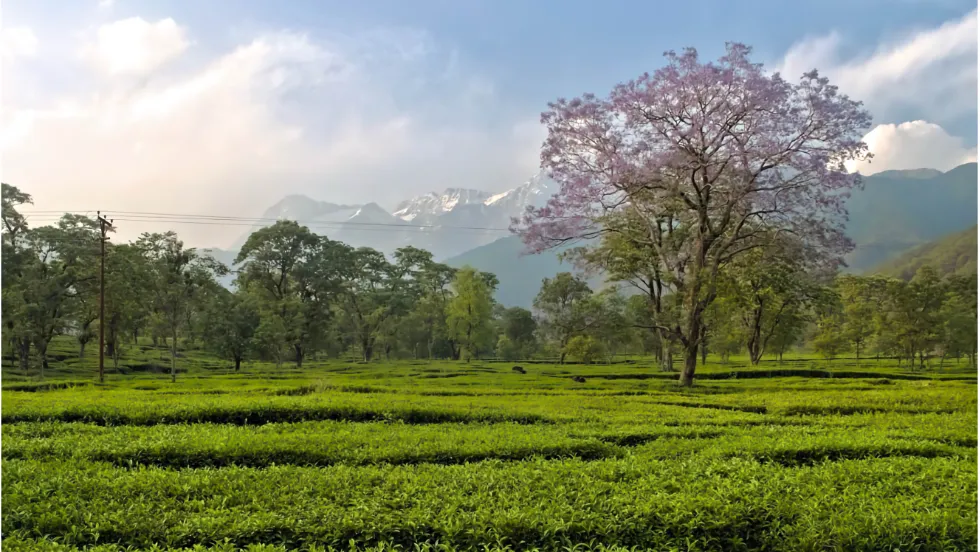
Storytelling adds depth to the experience. Guests increasingly want to know where products come from, how they are produced and what makes them unique. Even a brief introduction to the tea’s origin or flavour profile creates a stronger connection and transforms a simple beverage into a memorable experience. In luxury hospitality, those details often make the greatest impression.
If a tea company wanted to introduce its products to your lounge or hospitality venues, what advice would you give them?
Quality is expected, but differentiation is what captures attention. Hospitality partners are looking for brands with a clear story, consistent sourcing, sustainable practices and products that enhance the guest experience. Flexibility is also important, whether through seasonal collections, bespoke blends or opportunities to create collaborative experiences that feel authentic to the destination.
Looking ahead, what tea trends do you believe will shape the hospitality industry in Abu Dhabi over the next few years?
I believe wellness will continue to influence guest preferences, with increasing demand for functional teas, natural ingredients and caffeine-free alternatives. Sustainability and traceability will also become more important, as guests pay closer attention to how products are sourced. Beyond that, I think we will see tea becoming more experiential, through curated tea pairings, afternoon tea concepts with local influences and immersive storytelling that reflects Abu Dhabi’s growing luxury and cultural landscape.
Is there a particular type of tea that you enjoy most? Can you share a tea experience that left a lasting impression on you, either professionally or personally?
I tend to gravitate towards high-quality green tea or a fragrant jasmine tea, depending on the moment. One experience that has stayed with me was being served tea in a setting where every detail—from the choice of teaware to the pace of the service and the story behind the blend—was carefully considered. It reminded me that luxury is often found in simplicity and intention. That philosophy continues to influence how I think about hospitality today: creating experiences that feel genuine, thoughtful and memorable long after the stay has ended.