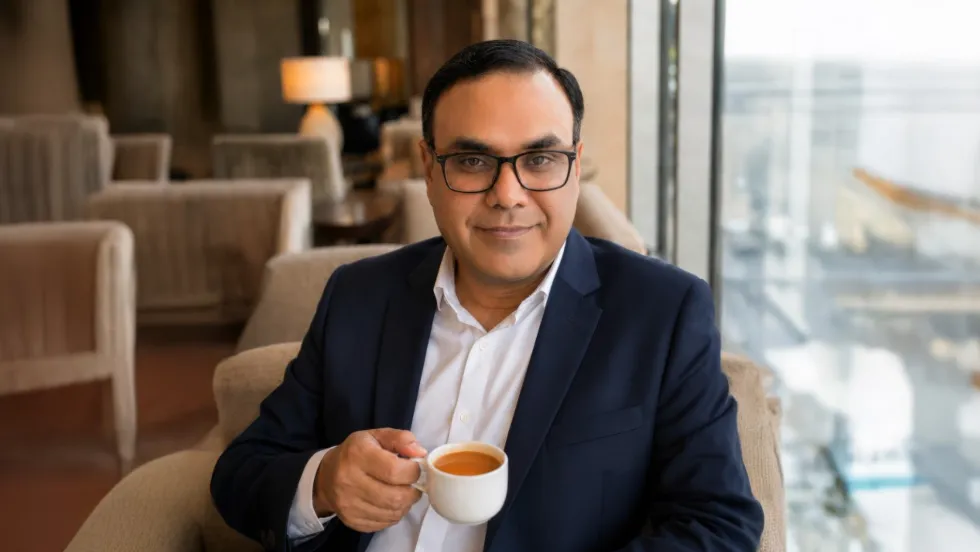
Islamuddin Shaikh has spent three decades running F&B businesses across the GCC and Asia. His conclusion is blunt: tea is the highest-margin item on most hospitality menus, and almost nobody is managing it. In this interview, he explains why — and what operators who finally pay attention stand to gain.
T Hospitality. You have spent more than three decades building and operating multi brand F&B businesses across the GCC and Asia. From an operator’s perspective, how important are beverage programmes to the overall profitability of a hospitality business?
Islamuddin Shaikh. Beverage is where the real margin lives. Food carries the story on the menu, but beverage carries the bottom line. Across a multi brand portfolio, I have seen a well-run drinks program cover the cost overruns of a weak food category more than once. The reason is simple. Labor cost per drink is low, ingredient cost is low, and the guest pays for experience, not raw cost. Any operator who treats beverage as an afterthought is leaving margin on the table every single day, not once a quarter.
TH. In a recent comment, you described non-alcoholic beverages as “one of the highest margin, lowest complexity wins on any menu.” Why do you think so many operators still underestimate their commercial potential?
IS. Early in my career I launch one of the first Brazilian steakhouse concepts in this region, an all you can eat format, one flat price covering salads, a hot buffet, and dessert. That structure left me with zero natural upsell lever on the food side, everything was already included in the price. Beverage was the only lever left, so I built out a full program of non-alcoholic wines, non-alcoholic sparkling, non-alcoholic Caipirinha and signature mocktails, purely to protect and grow the average check. It worked, and it taught me a lesson I still apply today. When you cannot upsell the plate, you upsell the glass.
That is also why so many operators underestimate beverage now. Nobody gets promoted for fixing the drinks menu. Kitchens get the attention, the budget, and the training hours. Beverage sits in the back of the manual as a checklist item. Staff are trained to describe a main course in three sentences and a tea in none. That gap is not a product problem. It is a leadership attention problem. Fix where management looks, and the beverage category fixes itself.
TH. Coffee has successfully transformed itself into a premium experience over the past decade. Tea, despite being consumed by billions of people every day, has not followed the same path. Why?
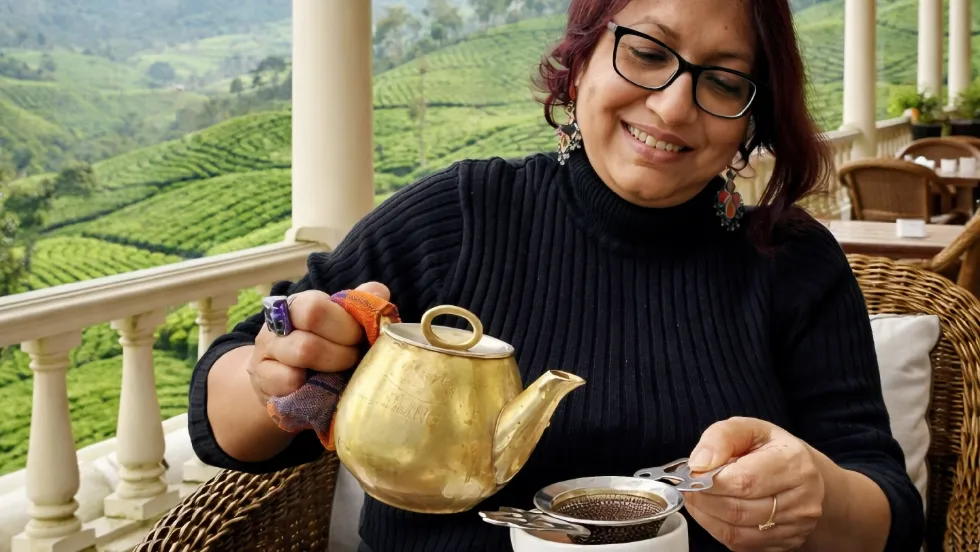
IS. Coffee built a craft story around itself. Origin, roast, the barista as a skilled role, and a training system the whole industry agreed to follow. It also built a visual language made for a phone camera. A flat white with a clean rosette of latte art, or a bright green matcha in a clear glass, photographs well and moves across Instagram in seconds. A tea bag steeping in a plain white cup gives a guest no reason to reach for their phone. Tea never got that treatment in hospitality. It stayed a commodity item, one pot, one bag, one price, no ritual attached, and no visual moment worth capturing. My grandfather cooked for the Nizam of Hyderabad’s household, preparing tea service with the same precision a chef gives a signature dish. That standard was passed down through three generations of our family kitchens, long before I ever ran one myself. The hospitality industry simply never demanded it, or photographed it, the way it demanded and photographed coffee.
TH. When you look at a hotel’s tea programme, what immediately tells you whether it has been developed strategically or simply added as a menu requirement?
IS. I look at three things. First, how many tea options are on the menu and whether they have a story attached, not just a name. Second, whether front line staff can describe one without reading the label. Third, whether tea has its own line in the beverage cost reports or gets buried under a generic “other beverages” category. If leadership cannot see the number, leadership is not managing the category.
TH. Many operators still think of tea as something guests order after a meal. From a commercial perspective, where do you think tea should sit within the guest journey?
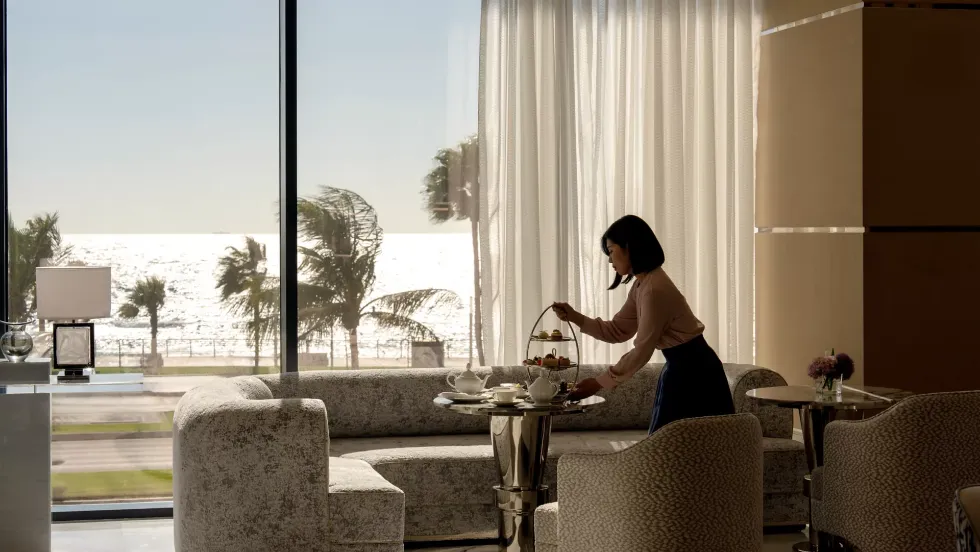
IS. Tea should show up at arrival, mid-afternoon, in the room, and at the spa, not just at the end of dinner. Every one of those moments is a chance to sell a premium cup instead of giving away a free one. A welcome tea ritual costs almost nothing and builds guest goodwill you can charge for later through upsells. Concepts like Chaye Qawali in Lahore already prove the appetite exists. They built an entire evening around tea and live Qawali music, and tables fill every night because tea became the centrepiece of an occasion instead of an afterthought. Hotels have the space and the budget to build the same kind of moment; they simply have not tried. Operators who confine tea to the dessert menu are choosing to under monetize a product that could work across the entire stay.
TH. You write extensively about menu engineering and contribution margin. Should tea be managed with the same commercial discipline as food menus, or is the industry still treating it as a commodity?
IS. It should be managed with more discipline, not less, because the margin reward is higher. Run the same menu engineering matrix you run on food. Find your stars, your plow horses, your puzzles, and your dogs, but do it for every tea SKU. Standardize the recipe across every branch so a guest gets the same cup in Jeddah as in Khobar. Track waste the same way you track it in the kitchen. Chaiiwala is proof of what happens when someone finally applies that rigor. They took one product, karak chaii, and built an entire franchise system around it, training, recipe standards, and site economics, the same discipline most hotels reserve only for their food and beverage flagship. If a single product brand can scale on tea discipline alone, a hotel with ten times the resources have no excuse to treat it as a garnish.
TH. If you were advising a hotel group reviewing its beverage programme today, which main change would deliver the fastest improvement in guest satisfaction and profitability?
IS. Train the staff to sell tea the way they sell a main course. That single change costs almost nothing and pays back within weeks. Give servers three talking points per tea, a story, an ingredient, and a pairing suggestion. Look at what the old Irani cafes did with almost nothing. One good pairing, bun maska and strong milky chai, built decades of loyalty with zero marketing budget. Hotels do not need twenty tea options to look serious. They need one pairing guests remember and come back for. Guests do not resist paying more for something that sounds considered. They resist paying more for a bag in hot water with no explanation.
TH. The GCC has one of the world’s strongest tea drinking cultures, yet premium tea remains a relatively small category in hospitality. Where do you see the disconnect?
IS. The best tea culture in this region lives in homes and majlis gatherings, karak, saffron, cardamom, all made with care and pride. Look at Doha. Chapati and karak kiosks have cars lined up from sunrise to sunset, a decades old ritual that never needed a hotel to validate it. That is real demand, proven daily, sitting completely outside the hospitality industry’s reach. Hotels then import a generic international afternoon tea concept that has nothing to do with any of it. Guests do not see their own culture reflected back to them at a premium price point, so they default to ordering coffee instead. The opportunity sitting untouched is building a hotel tea program around what this region already does at home and on the street, then charging what that experience is worth.
TH. Hospitality buyers often evaluate tea suppliers primarily on product quality and price. What additional value should suppliers bring if they want to become long term partners rather than simply vendors?
IS. Bring me training, not just packaging. A supplier who trains my staff, helps me build a signature blend exclusive to my brand, and shares real menu engineering support becomes a partner I keep for years. A supplier who only competes on price per kilo is easy to replace the moment someone else undercuts them. I am also careful about the new wave of plug and play tea kiosk concepts flooding the market right now. They promise a fast setup and a ready-made menu, but speed to open is not the same as quality in the cup. The suppliers who last are the ones who protect that quality even when a client asks for the cheaper, faster shortcut, and who make my team look good in front of the guest.
TH. If you could convince every hotel general manager in the GCC to rethink just one aspect of their beverage programme tomorrow morning, what would it be?
IS. Every general manager who has actually run a P&L already knows this, even if nobody says it out loud in the weekly ops meeting. Wine has a sommelier. Coffee has a barista program and a supplier built around training. Tea has no owner at all. It sits on the menu with nobody accountable for its cost, its consistency, or how it performs. Every serious operator I have worked alongside eventually arrives at the same quiet conclusion. Give tea a name, a reviewer, and a line in the monthly numbers, the same respect every other revenue category gets. That is the one change the whole industry already believes in, and almost nobody has acted on yet.
TH. Finally, can you tell us which type of tea you love the most?
IS. Strong black tea, boiled slowly with jaggery until it turns a deep, dark colour, then finished with just enough fresh milk to round it off, never enough to lighten it. I do not like weak tea. I want a cup that wakes up every sense first, then gives you a moment of calm right after. That contrast, sharp then settled, is what I look for in a cup and honestly what I look for in a good day at work too.